Start here
Home Renovation for Beginners: Start Here
Never held a trowel? Perfect. This is the place to learn how renovation actually works — the order of jobs, the tools, the materials, the vocabulary and the safety rules — before you spend a dollar.

1. Plan before you pick up a tool
Most renovation disasters start with a missing plan, not with bad technique. Learn the right order of work and decide honestly what you can do yourself.
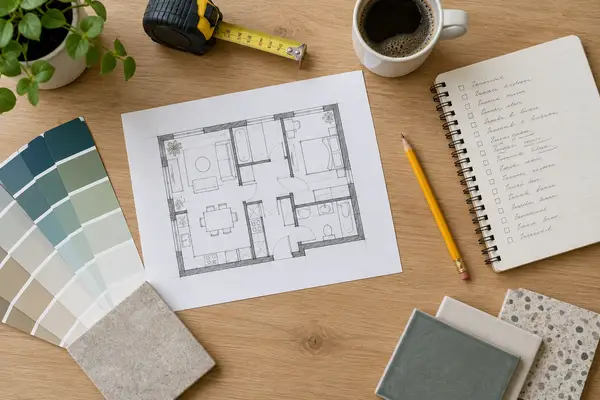
How to plan a renovation (and the right order of work)
Set the budget, then follow the order pros use: demolition, rough work, walls, ceiling, floors, finishes.
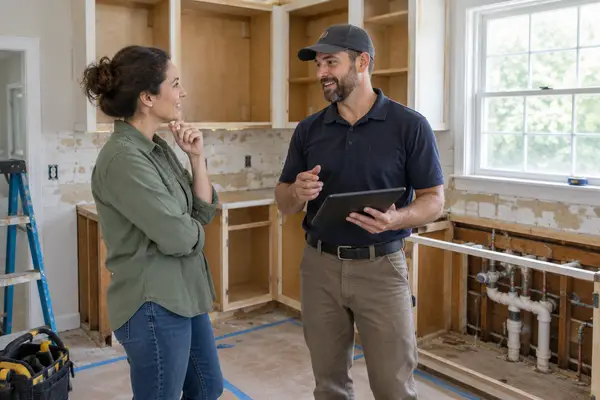
DIY or hire a pro? A job-by-job guide
A traffic-light table of common jobs — green for DIY, amber for "practice first", red for licensed pros.
2. Tools: what to buy, what to rent
You don't need a garage full of gear. A small starter kit covers 80% of home jobs; the rest you can rent for a day.
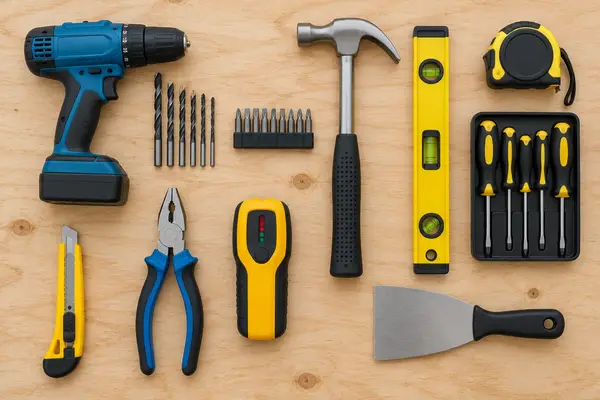
The beginner tool kit: 15 tools you actually need
The 15 tools that handle most home jobs, what to look for when buying, and what can wait.
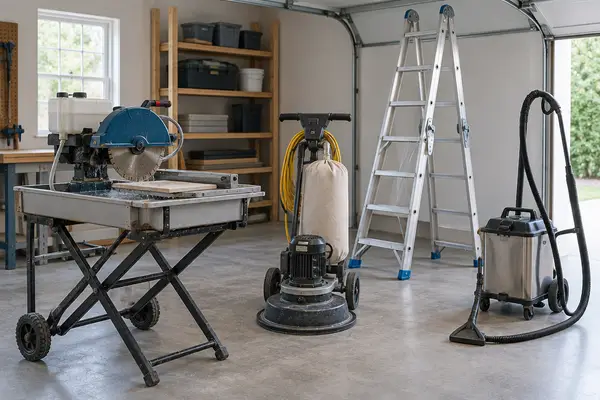
Buy or rent? Which tools to own
A simple rule of thumb, plus the heavy equipment you should almost always rent.
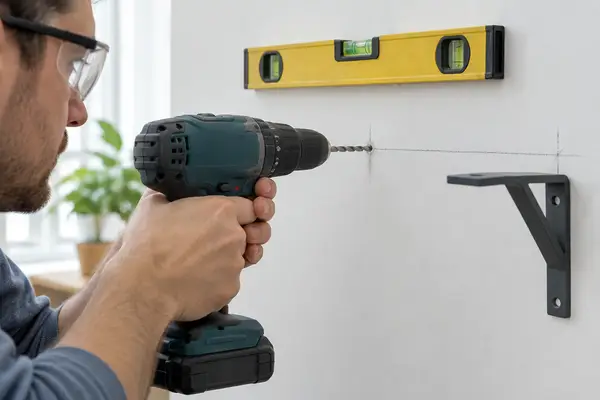
How to use a drill, hammer drill, jigsaw and level
Clutch settings, drilling into drywall, brick and tile, straight jigsaw cuts and reading a level.
3. Materials, explained simply
Primer, spackle, joint compound, grout, porcelain, ceramic… Here is what each one does and how to choose.
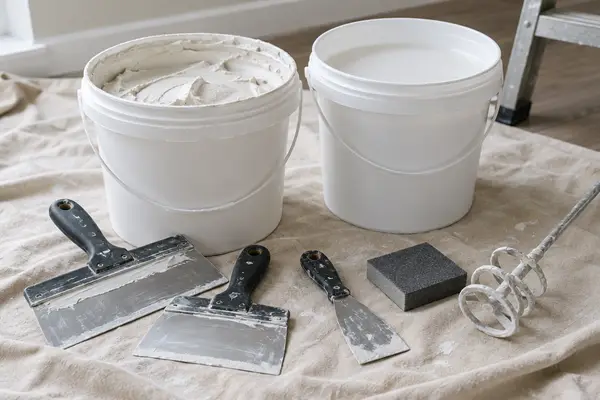
Primer, spackle, joint compound, plaster: the differences
What each wall product does, which to buy for which job, and in what order to use them.
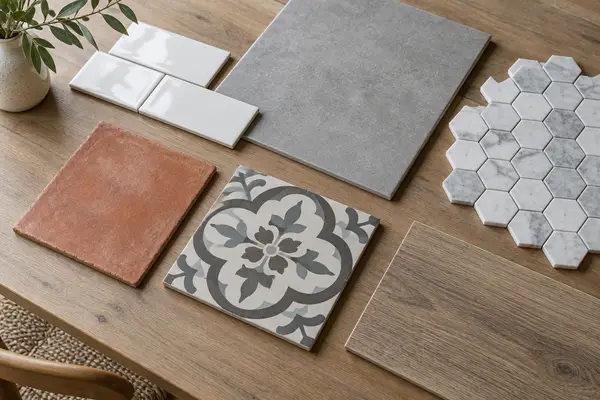
Types of tile explained
Ceramic vs porcelain vs stone vs cement — where each one works and what it costs.
4. Mistakes to avoid
Learn from other people's peeling paint and bubbling wallpaper instead of your own.
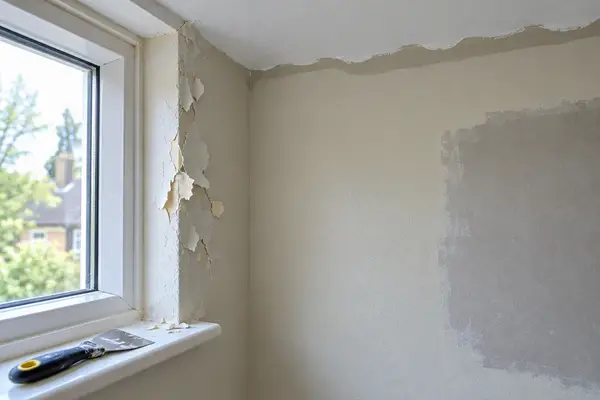
20 common beginner renovation mistakes
From skipping primer to tiling before the wiring — learn from other people’s mistakes.

10 wallpaper mistakes to avoid
Bubbles, gaps, peeling seams and crooked patterns — and how to prevent them.
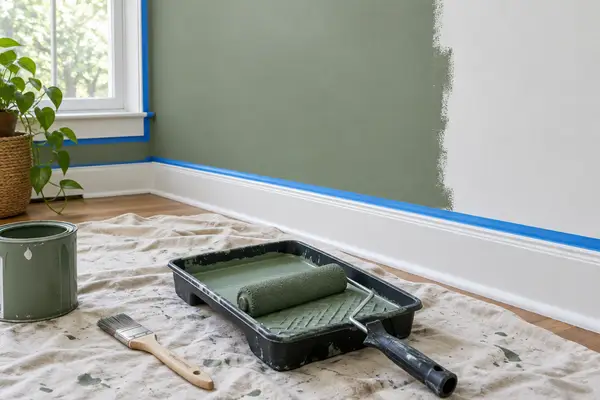
12 painting mistakes and how to fix them
Roller marks, bleeding tape lines and blotchy patches — causes and fixes.
5. Safety and vocabulary
Read the safety basics before any demolition, electrical or ladder work, and keep the glossary open when a video or contractor starts using jargon.
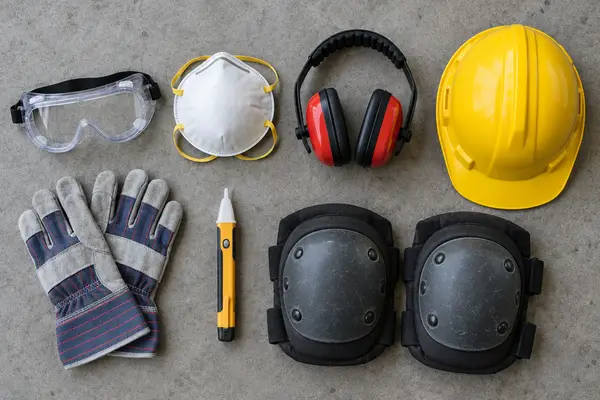
DIY safety basics: electricity, heights, dust, chemicals
The non-negotiable rules for electricity, ladders, dust, lead, asbestos and chemicals.
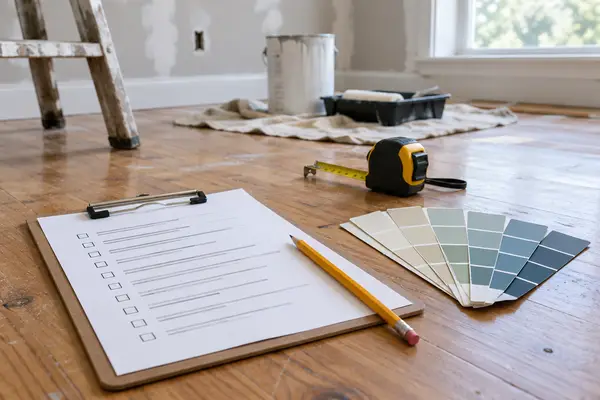
Renovation glossary: 70+ terms explained
From backer board to underlayment — plain-English definitions of the words contractors use.
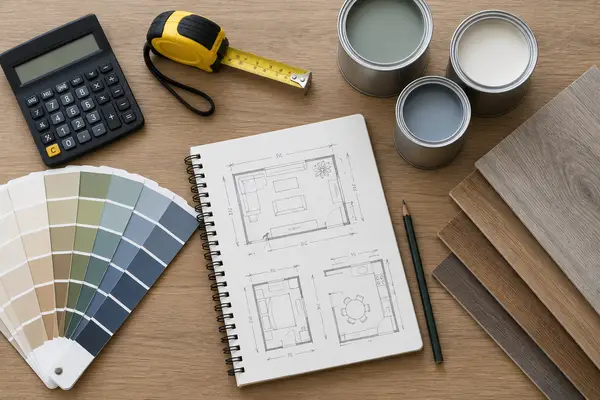
All renovation calculators
Paint, wallpaper, tile, flooring, plaster and budget — in feet or meters.