Start here
DIY or Hire a Pro? What Beginners Can Safely Do Themselves
Which home renovation jobs can a beginner do, which need practice, and which should always go to a licensed pro. A clear job-by-job table plus tips for hiring contractors.
- Difficulty
- Beginner
DIY can save 30–60% of a renovation budget — but only on the jobs you can do well. Redoing a botched job costs more than hiring out from the start, and some mistakes (electrical, gas, structural) are dangerous. Here is how to decide.
Three questions to ask for every job
- What happens if I get it wrong? An uneven paint line is annoying. A leaking drain inside a wall or a loose wire is a disaster.
- Does it need a permit or license? In many areas, new circuits, gas lines and structural work legally require licensed trades and inspections.
- Do I have the time? A pro tiles a bathroom in 3–4 days. A beginner may need three weekends — while the bathroom is unusable.
The traffic-light table
| Job | Verdict | Why |
|---|---|---|
| Painting walls and ceilings | 🟢 DIY | Low risk, huge impact, easy to fix. How to paint a room. |
| Patching holes in drywall | 🟢 DIY | Takes practice to hide, but mistakes are sandable. Guide. |
| Wallpaper | 🟢 DIY | Patience matters more than skill. |
| Click-lock laminate / vinyl floors | 🟢 DIY | Designed for DIY; prep of the subfloor is key. Guide. |
| Replacing a faucet or toilet fill valve | 🟢 DIY | Shut-off valves make it safe. Guide. |
| Adjusting doors, cabinets, windows | 🟢 DIY | A screwdriver and 20 minutes. Guide. |
| Wall tiling, backsplash | 🟡 Practice first | Layout and waterproofing matter; start small. |
| Floor tiling, large-format tiles | 🟡 Practice first | Needs a flat subfloor and good leveling technique. |
| Hanging drywall, skim coating | 🟡 Practice first | Heavy sheets, and a smooth finish takes experience. |
| Replacing a light switch or outlet like-for-like | 🟡 Only if allowed locally | Power off and tested, same circuit, no new wiring. Guide. |
| New circuits, panel work, moving outlets | 🔴 Licensed electrician | Fire and shock risk; permits usually required. |
| Gas appliances and lines | 🔴 Licensed pro | Never DIY gas. |
| Removing or altering walls | 🔴 Engineer / contractor | It may be load-bearing. |
| Moving drains, shower waterproofing systems | 🔴 Plumber (or very experienced DIYer) | Hidden leaks cause rot and mold. |
| Roofing, work at height | 🔴 Pro | Falls are a leading cause of DIY injuries. |
The smart hybrid approach
Most successful beginner renovations are a mix: hire the electrician and plumber for rough-in work, then do the demolition, painting, flooring and finishing yourself. You save money on the labor-heavy, low-risk jobs and stay safe on the critical ones.
How to hire a good contractor
- Get at least three written quotes with the same scope of work.
- Check license and insurance — ask for the documents, don't just take their word.
- Ask for recent references and photos of similar jobs.
- Never pay most of the price up front. A typical schedule is a small deposit, then payments tied to finished stages.
- Put everything in writing: scope, materials, timeline, cleanup, warranty.
- Use our contractor walkthrough checklist before the final payment.
Keep reading
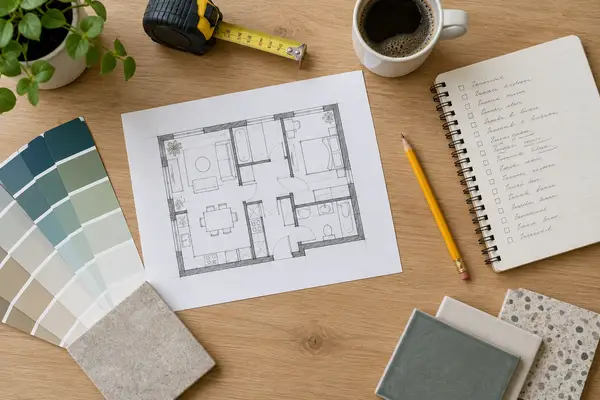
How to plan a renovation (and the right order of work)
Set the budget, then follow the order pros use: demolition, rough work, walls, ceiling, floors, finishes.
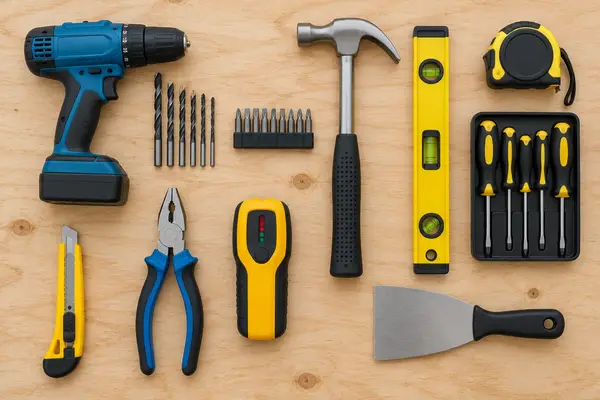
The beginner tool kit: 15 tools you actually need
The 15 tools that handle most home jobs, what to look for when buying, and what can wait.
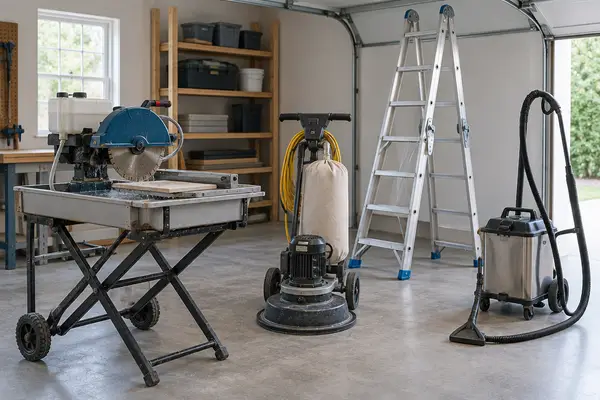
Buy or rent? Which tools to own
A simple rule of thumb, plus the heavy equipment you should almost always rent.