Plumbing
How to Replace a Kitchen Faucet and Unclog a Drain
Two essential plumbing skills: replacing a kitchen or bathroom faucet step by step, and unclogging sinks and drains without harsh chemicals.
- Difficulty
- Beginner–Intermediate
- Time
- 1–2 hours
- Cost
- Low–Medium
Part 1: Replace a kitchen faucet
You'll need
- New faucet (check the number of holes in your sink: 1, 2, 3 or 4)
- Adjustable wrench, basin wrench (for tight nuts), pliers
- Bucket, towels, flashlight
- New flexible supply hoses if not included; plumber's tape
Steps
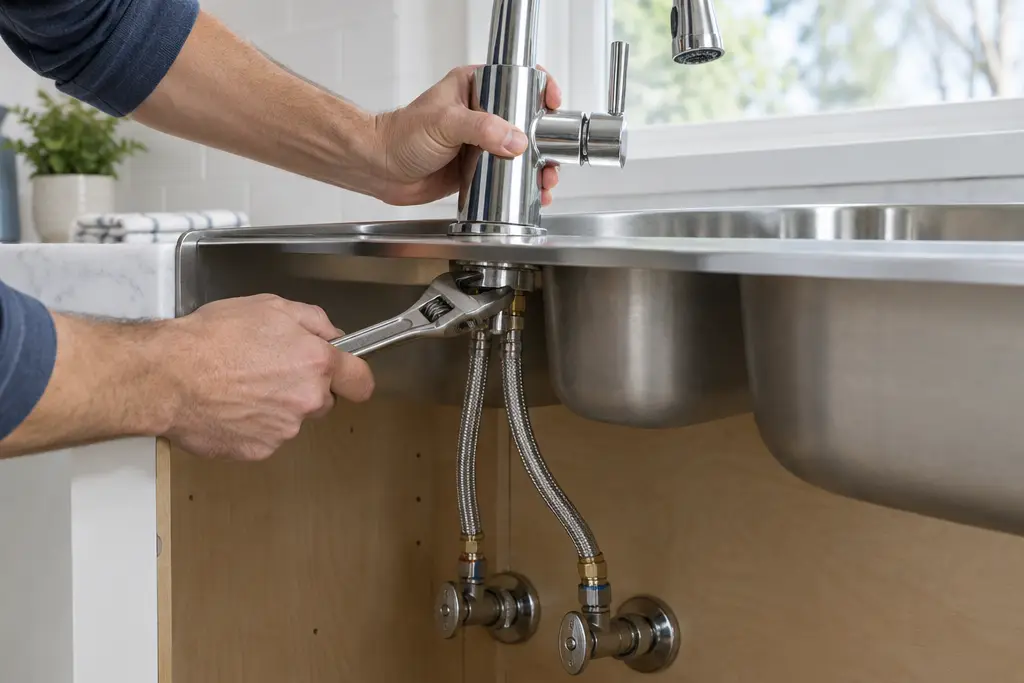
- Turn off the water at the shut-off valves under the sink. Open the faucet to release pressure.
- Take a photo of the connections — very useful when reassembling.
- Disconnect supply lines with a wrench, with a bucket underneath.
- Remove the mounting nut(s) under the sink. A basin wrench reaches up behind the sink bowl.
- Lift out the old faucet and clean the sink surface of old sealant.
- Install the new faucet following its instructions: gasket or deck plate, thread the supply hoses through, tighten the mounting hardware from below. Keep the faucet aligned while tightening.
- Connect supply hoses to the shut-off valves: hot on the left, cold on the right. Hand-tight plus a quarter to half turn with the wrench — over-tightening damages washers.
- Pull-down sprayers: attach the counterweight to the hose.
- Turn water on slowly, remove the aerator and flush the lines for a minute to clear debris. Check every joint for drips with a dry paper towel.
Part 2: Unclog a drain
1. Boiling (or hot) water
Good for grease in kitchen sinks. Don't pour boiling water into PVC pipes repeatedly or into a toilet bowl — use hot tap water there.
2. Plunger
Use a cup plunger for sinks, a flange plunger for toilets. For double sinks, block the other drain with a wet cloth. Cover the overflow hole in bathroom sinks. Pump firmly 15–20 times.
3. Clean the P-trap
Put a bucket under the U-shaped trap, unscrew the slip nuts by hand, remove the trap and clean it. This is where rings, hair and grease collect.
4. Drain snake (auger)
For clogs beyond the trap, feed a hand auger into the pipe, turn the handle to grab or break up the blockage and pull it out. Cheap plastic "drain claws" work well for hair in bathroom sinks and showers.
5. Enzymatic cleaners for prevention
Harsh chemical drain openers can damage pipes and are dangerous if you then need to take the pipes apart. Monthly enzymatic cleaners and a drain strainer prevent most clogs.
Keep reading

How to paint a room like a pro
Prep, cut in, roll, repeat — the full method for crisp lines and no streaks.
How to skim coat a wall
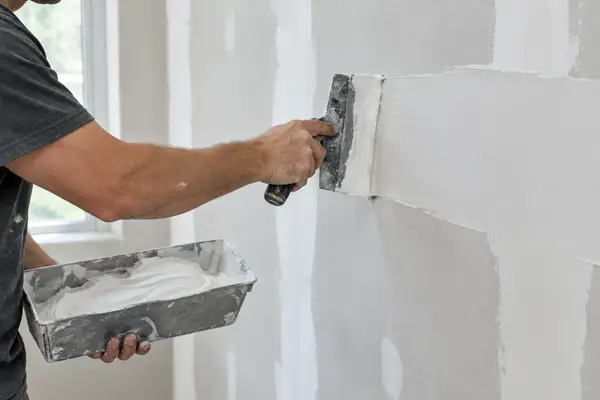
Turn rough, patchy walls into smooth ones with thin coats of compound.
How to patch drywall (small to large holes)
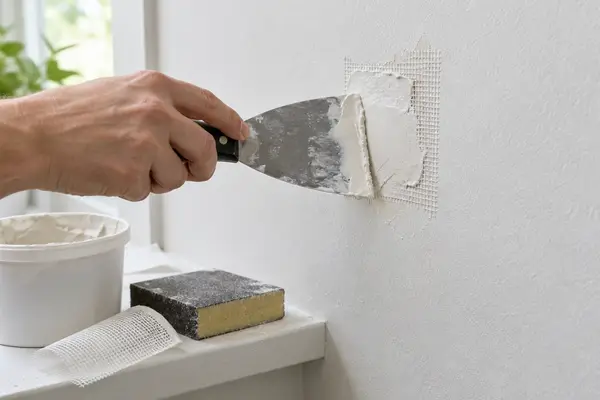
Nail holes, doorknob dents and big holes — three methods and how to make them invisible.