House & cottage
Renovating a Country House or Cottage: Where to Start
How to approach renovating an older house or cottage: inspection, roof and foundations first, damp, insulation, utilities, then interiors — with a realistic priority list.
- Difficulty
- Intermediate–Advanced
- Time
- Seasons, not weeks
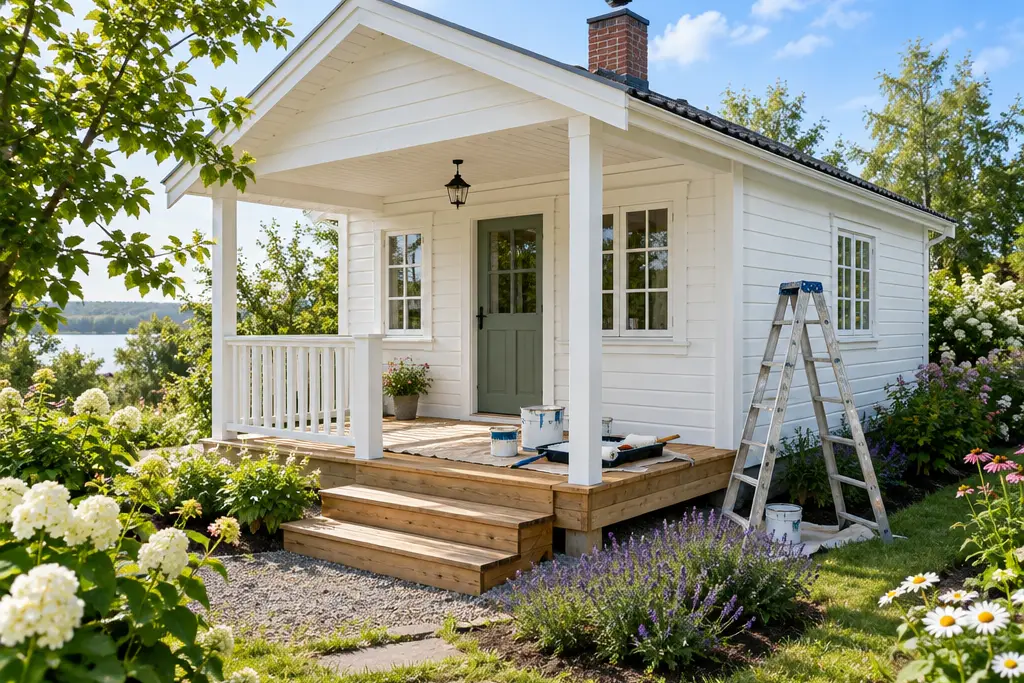
An older house or country cottage has charm — and a to-do list. The golden rule for houses: outside in, top down. Keep water out first, then make it safe, then make it comfortable, then make it pretty.
Step 1: Get a proper inspection
Before you buy or begin, hire a building surveyor or home inspector. Ask specifically about the roof, structure, damp, drainage, wiring age, plumbing materials and any hazardous materials such as asbestos.
Step 2: The priority list
| Priority | Area | Why |
|---|---|---|
| 1 | Roof, gutters, downspouts, drainage | Water is the number-one enemy of any house |
| 2 | Foundations, structure, rot | Everything else sits on it |
| 3 | Damp and ventilation | Prevents mold and decay |
| 4 | Electrical and plumbing | Safety; walls are open anyway |
| 5 | Windows, doors, insulation, heating | Comfort and running costs |
| 6 | Interiors: plaster, floors, kitchen, bath | Finishes last |
| 7 | Exterior paint, porch, garden | Curb appeal |
Damp: find the cause, not the symptom
Stains and peeling paint are symptoms. Common causes: leaking gutters, ground levels higher than the inside floor, blocked vents, condensation from poor ventilation, or failed renders. Fix the source, let the wall dry, then repair finishes.
Insulation and heating
- Loft/attic insulation is usually the cheapest, most effective upgrade.
- Seal drafts around doors, windows and floorboards.
- Insulate suspended timber floors from below if there's crawl space access.
- Use breathable insulation on old solid walls to avoid trapping moisture.
DIY jobs that suit a cottage
- Painting wood siding, fences and porches (scrape, prime bare wood, two coats of exterior paint).
- Refinishing wooden floors and doors.
- Replacing interior doors, hardware and trim.
- Building simple decks and garden structures.
- Limewashing interior walls for an authentic, breathable finish.
Plan by season
Exterior painting, roofing and concrete need dry, mild weather. Save interior plaster, painting and flooring for the colder months. A multi-season plan also spreads the cost.
Frequently asked questions
What should I fix first in an old house?
Anything that lets water in or threatens safety: roof, gutters and drainage, foundations and structural issues, then electrical and plumbing. Cosmetic work comes last.
Can I use modern materials on an old house?
Often, but carefully. Old solid walls built with lime mortar need to "breathe"; covering them with cement render or impermeable paint can trap moisture. Use breathable lime-based products where appropriate.
Keep reading
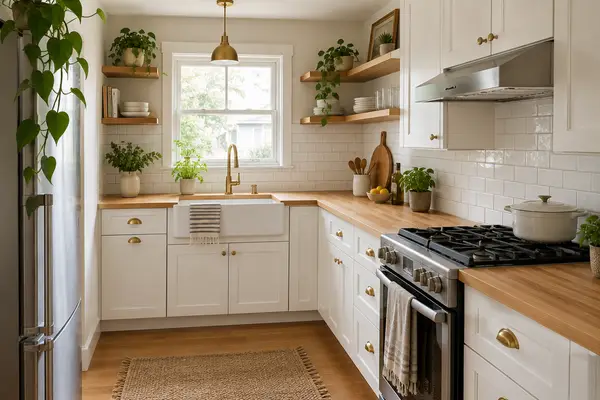
Kitchen renovation guide
Layout, order of work, budget-friendly upgrades and which jobs to hand to pros.
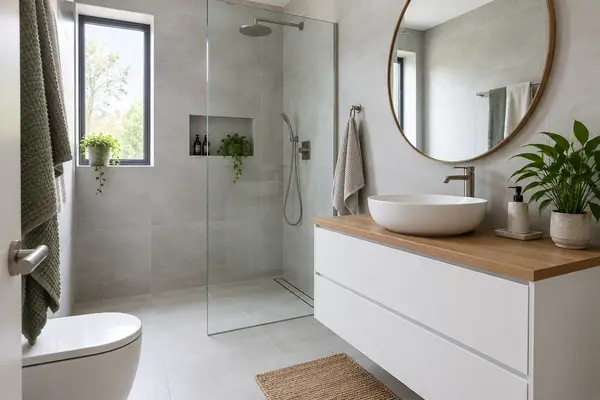
Bathroom & toilet renovation guide
Waterproofing, ventilation, tile and fixtures — in the right order, with clear DIY vs pro advice.

Bedroom & living room makeover
The easiest rooms for a first DIY project: walls, floors, lighting and cozy details.