Bathroom & toilet
Bathroom Renovation Guide: Waterproofing, Order of Work and DIY Tips
How to renovate a bathroom as a beginner: planning the layout, waterproofing, ventilation, tile, fixtures, the correct order of work and what to DIY vs hire out.
- Difficulty
- Intermediate–Advanced
- Time
- 2–4 weeks
A bathroom is small, but it concentrates the trickiest parts of renovation: water, electricity, ventilation and tile. Done right, it lasts 20 years. Done wrong, leaks rot the floor and grow mold behind the walls. Here's how to get it right.
Plan: keep, refresh or rebuild?
- Cosmetic refresh: paint, new vanity, mirror, lighting, regrouting, new accessories — see our budget bathroom makeover.
- Replace in place: new tub/shower, toilet and vanity in the same positions — plumbing stays put.
- Full rebuild: new layout, walk-in shower, moved drains. Plumber required.
Check the drain slope if you want a curbless walk-in shower: the floor needs to fall towards the drain, which may mean lowering the subfloor or raising the rest of the floor.
Order of work in a bathroom
- Shut off water, remove fixtures, strip tiles to the substrate. Check for rot and damp.
- Plumbing rough-in: supply lines, drains, valves (plumber recommended).
- Electrical rough-in: GFCI/RCD-protected circuits, lighting, extractor fan. Bathroom electrics follow special zone rules — use an electrician.
- Install cement board or waterproof boards in wet areas; drywall rated for moisture elsewhere.
- Apply waterproofing membrane to shower walls and floor, with reinforcing tape in corners and around pipes. Let it cure.
- Tile the walls, then the floor. Grout after the adhesive cures.
- Paint the ceiling and non-tiled walls with a bathroom (moisture and mildew resistant) paint.
- Install vanity, toilet, shower glass, fixtures; seal joints with sanitary silicone.
Don't forget ventilation
An extractor fan vented to the outside is the best protection against mold. Size it for the room (manufacturers list airflow per room size) and choose a quiet model — people actually turn quiet fans on. A humidity-sensing or timer fan runs itself.
Material choices
| Surface | Good choices | Avoid |
|---|---|---|
| Shower walls | Porcelain or ceramic tile over membrane; acrylic panels | Regular drywall, unsealed stone |
| Floor | Porcelain tile with slip rating, mosaic in showers, waterproof vinyl | Laminate (most types), polished slippery tile |
| Walls outside shower | Moisture-resistant paint, tile wainscot | Flat/matte paint |
| Grout | Cement grout + sealer, or epoxy grout for showers | Unsealed light grout on floors |
DIY-friendly bathroom jobs
- Painting walls and ceiling, regrouting and recaulking.
- Replacing a vanity, mirror, towel bars and accessories.
- Replacing a toilet in the same location, or its fill valve and flapper.
- Installing a new shower head or faucet.
- Tiling walls outside the shower zone — practice before the shower itself.
The toilet room
A separate toilet room is a great quick win: paint or a tile wainscot, a slim wall cabinet above the toilet, a new seat and good lighting. Box in pipes with moisture-resistant board and leave an access panel for valves.
Frequently asked questions
Do I need to waterproof a bathroom before tiling?
Yes — in showers and wet areas. Tile and grout are not waterproof. A liquid or sheet membrane over cement board (or a dedicated waterproof board) protects the walls and floor behind the tile.
How long does a bathroom renovation take?
A small bathroom done by pros typically takes 2–3 weeks including drying times. A DIY renovation done on weekends can take 1–2 months, so plan an alternative bathroom.
Keep reading
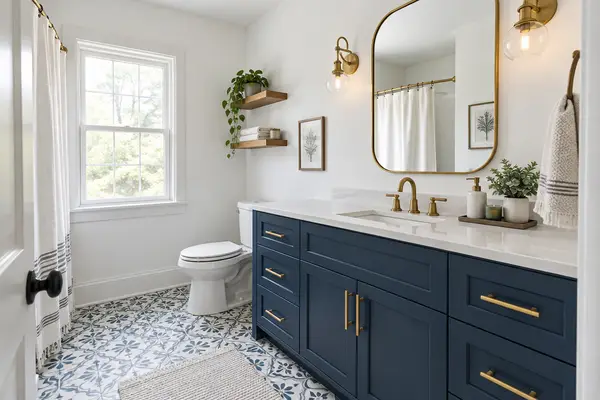
Budget bathroom makeover (no demolition)
Paint the vanity, regrout, new lights and mirror — a new-look bathroom without demolition.
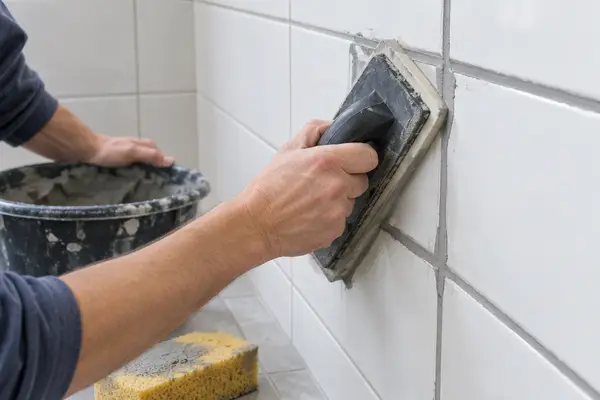
How to regrout tile
Remove cracked, moldy grout and replace it — the cheapest way to make tile look new.
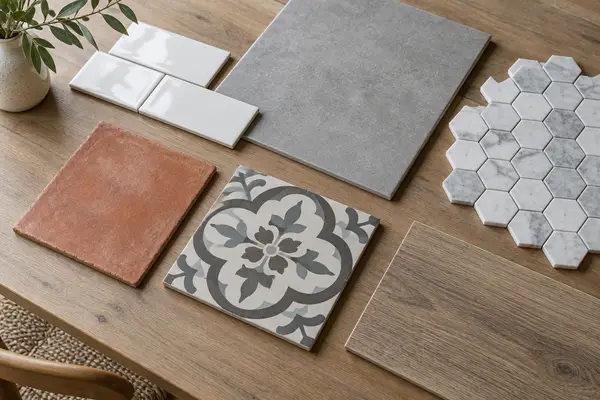
Types of tile explained
Ceramic vs porcelain vs stone vs cement — where each one works and what it costs.