Furniture flip
How to Paint a Dresser: The Beginner’s Furniture Flip Guide
Give old wooden furniture a new life: cleaning, repairs, sanding, primer, paint, topcoat and new hardware — a step-by-step dresser flip for beginners.
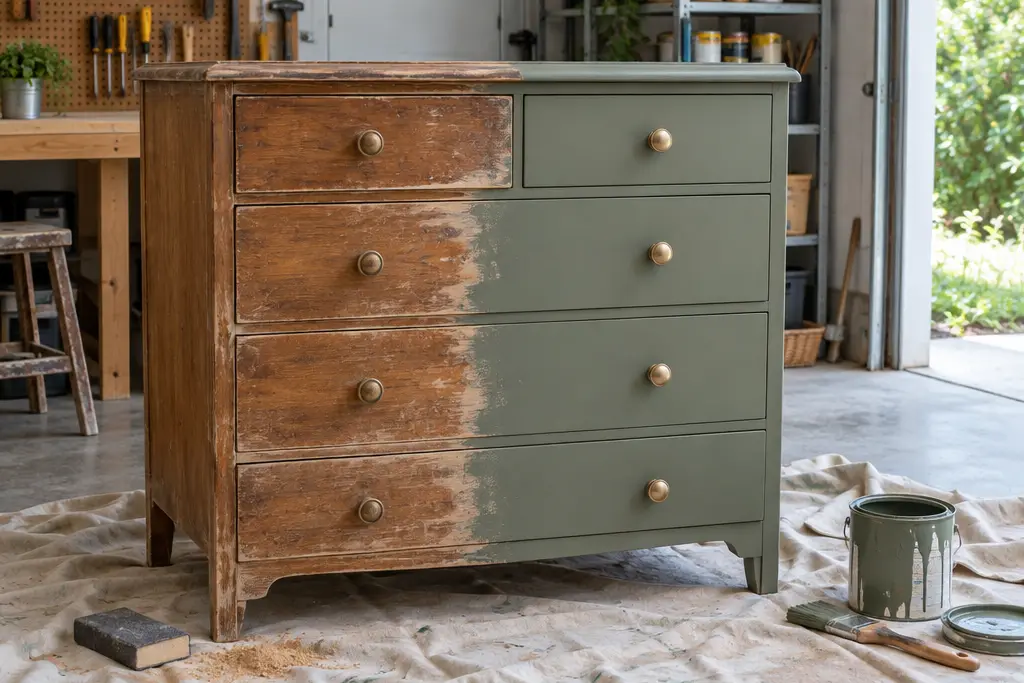
- Difficulty
- Beginner
- Time
- 2–3 days incl. drying
- Cost
- Low
Old solid-wood furniture is often better built than new flat-pack pieces — it just looks tired. Painting it is a rewarding, low-risk first project.
Materials
- Degreaser or sugar soap, sponges
- Wood filler, putty knife
- Orbital sander or sanding block; 120, 180 and 220 grit
- Bonding or stain-blocking primer (shellac-based blocks bleed-through from wood tannins)
- Paint: furniture/cabinet enamel, or chalk-style paint plus wax or topcoat
- Quality synthetic brush and small foam roller
- Water-based clear topcoat (for high-wear surfaces)
- New knobs or pulls (optional)
Step by step
- Remove drawers and hardware. Put screws in labeled bags.
- Clean every surface — furniture carries years of polish and hand grease that stop paint from sticking.
- Repair: glue loose joints, fill dents and holes. If you're changing hardware with different hole spacing, fill the old holes now.
- Sand with 120 grit to scuff the old finish (you don't need to strip to bare wood), then 180. Vacuum and wipe with a damp cloth.
- Prime. One coat of bonding or stain-blocking primer. Sand lightly with 220 when dry.
- Paint two or three thin coats, rolling large flat areas and brushing details, always finishing in the direction of the grain. Sand very lightly with 220 between coats.
- Topcoat the top surface (and ideally everything) with a water-based clear coat for durability.
- Cure. Paint may be dry to touch in hours but needs days (sometimes weeks) to fully harden. Use it gently for the first week.
- Add hardware and line the drawers with paper or fabric for a finishing touch.
Furniture made before the late 1970s may have lead-based paint. Test before sanding old painted finishes, and always wear a dust mask when sanding.
Finish ideas
- Two-tone: painted body, natural wood top.
- Color-drenched: body and hardware in the same muted shade (sage, clay, navy).
- Cane or rattan: replace drawer fronts panels with cane webbing for a boho look.
Keep reading
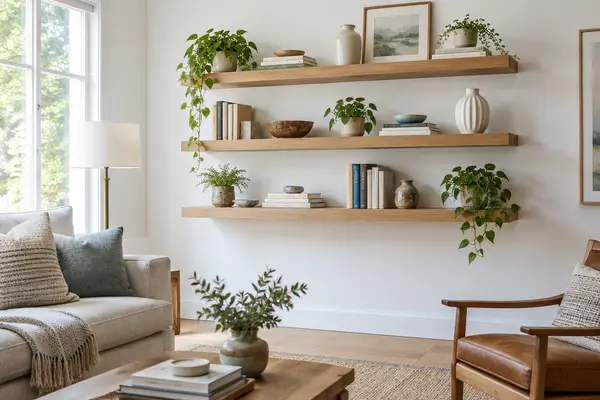
Beginner
DIY floating shelves
Hidden-bracket shelves that actually hold books — the perfect first build.
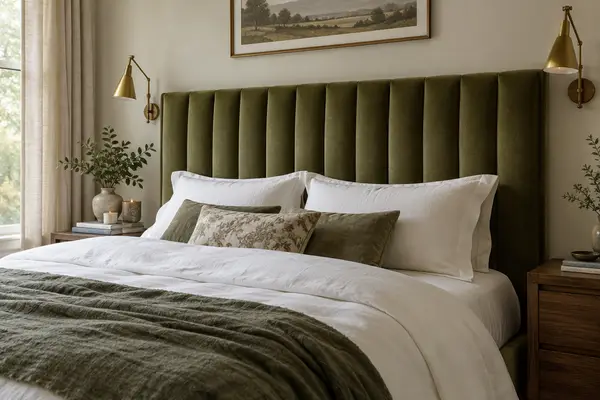
Beginner
DIY upholstered headboard
Plywood, foam and velvet — build a padded headboard and hang it on a French cleat.
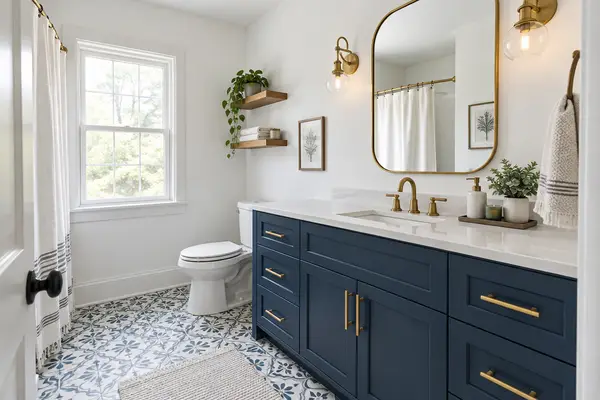
Beginner
Budget bathroom makeover (no demolition)
Paint the vanity, regrout, new lights and mirror — a new-look bathroom without demolition.