Buying guide
Best Cordless Drill for Beginners: A No-Nonsense Buying Guide
How to choose your first cordless drill: 12V vs 18V/20V, brushless vs brushed, torque, batteries, drill vs hammer drill vs impact driver — and which type suits which DIYer.
- Difficulty
- Buying guide
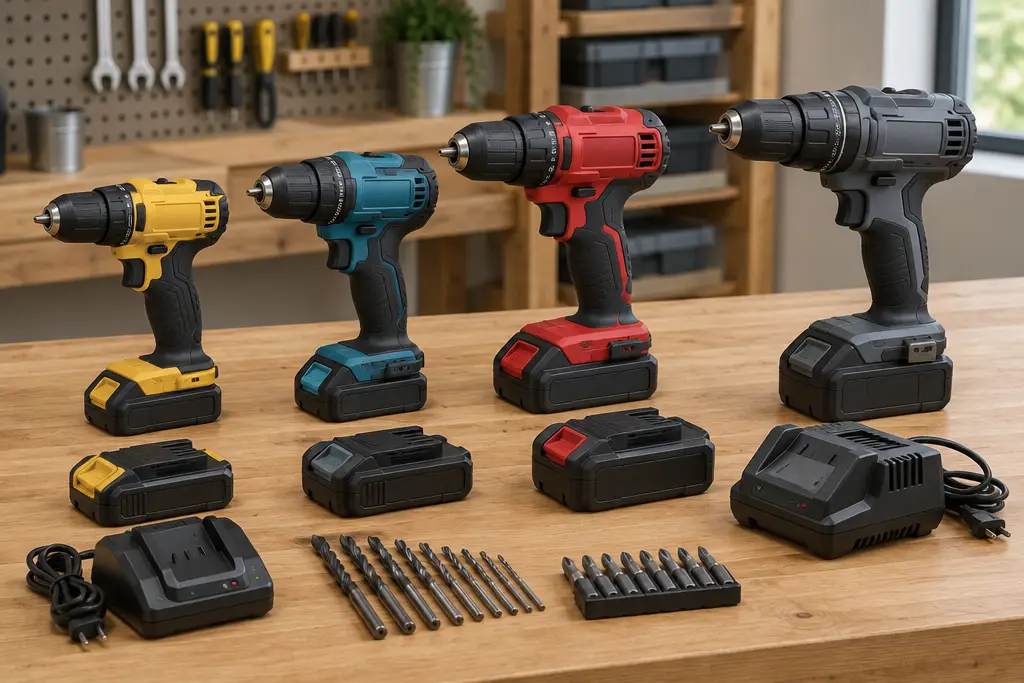
Your first drill will probably be your most-used power tool. You don't need the most powerful model — you need the right type, a comfortable weight, and a battery platform you can grow into.
Quick recommendation
| You are… | Choose |
|---|---|
| A renter hanging shelves and assembling furniture | Compact 12V drill/driver |
| A new homeowner planning several projects | 18V/20V brushless drill/driver kit with 2 batteries |
| Living in a brick or concrete home | 18V/20V combi (hammer) drill |
| Building decks, fences, lots of long screws | 18V drill + impact driver combo kit |
What matters (and what doesn't)
Voltage: 12V vs 18V/20V
12V tools are smaller, lighter and cheaper — great for light work and tight spaces. 18V/20V tools have more power and runtime and a much larger range of compatible tools. Most homeowners are best served by the 18V/20V class.
Brushless vs brushed motors
Brushless motors are more efficient: longer runtime per charge, more power, less heat and a longer life. They cost more but are worth it if you'll use the drill regularly.
Torque and clutch
Torque figures differ between brands' testing methods, so compare within a brand rather than across brands. More important for beginners: a clutch with many settings, so you can drive small screws without stripping them.
Batteries
- Two batteries let you work while one charges.
- 2.0Ah batteries are lighter; 4.0–5.0Ah run longer but add weight.
- The platform matters most: you'll likely buy more tools that share the same batteries — a jigsaw, sander, vacuum or lights. Pick a brand with a wide range available locally.
Chuck
A 1/2 in (13 mm) keyless metal chuck holds larger bits and grips more securely than 3/8 in (10 mm).
Ergonomics
Hold it in a store if possible. Balance, grip size and weight with the battery attached matter more than a spec sheet. A built-in LED light is genuinely useful.
Drill/driver vs hammer drill vs impact driver
| Tool | Best at | Not for |
|---|---|---|
| Drill/driver | Holes in wood and metal, precise screwdriving | Masonry |
| Hammer (combi) drill | Everything a drill/driver does + brick and block | Lots of concrete holes (rent an SDS rotary hammer) |
| Impact driver | Long screws, lag bolts, decking, fast driving | Precise holes; delicate screws |
Checklist before you buy
- Kit includes two batteries and a charger
- Brushless motor (if budget allows)
- Hammer mode if you have masonry walls
- 1/2 in (13 mm) metal chuck
- At least 3-year warranty
- Brand platform with other tools you'll want later
- Comfortable weight and grip for you
Don't forget a good bit set with wood, metal and masonry bits — a great drill with poor bits performs poorly. Then practice with our power tools guide.
Frequently asked questions
Is a 12V drill enough for home use?
For furniture assembly, hanging pictures and shelves into studs, and small holes, yes. For drilling into brick, large holes or long screws into hardwood, an 18V/20V class drill is a better choice.
Do I need a hammer drill?
Only if you will drill into brick, block or concrete. Many 18V combi drills include a hammer mode, which is a good all-round choice.
Are 18V and 20V drills different?
Usually not. Most "20V max" tools are the same class as "18V" tools; the difference is how the voltage is marketed.
Disclosure: we may earn a commission from some links on this page at no extra cost to you. Our recommendations are based on published specifications, manufacturer data and hands-on DIY experience, not on payment.
Keep reading
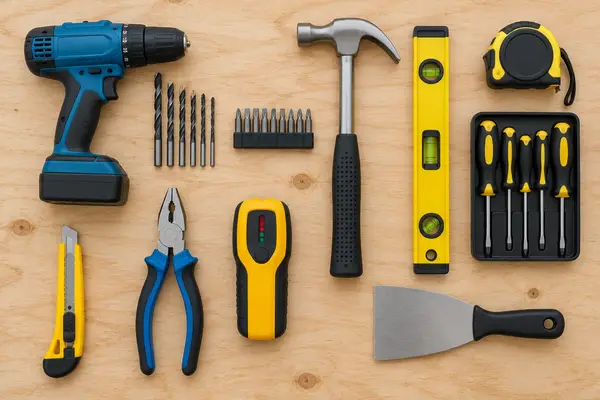
The beginner tool kit: 15 tools you actually need
The 15 tools that handle most home jobs, what to look for when buying, and what can wait.
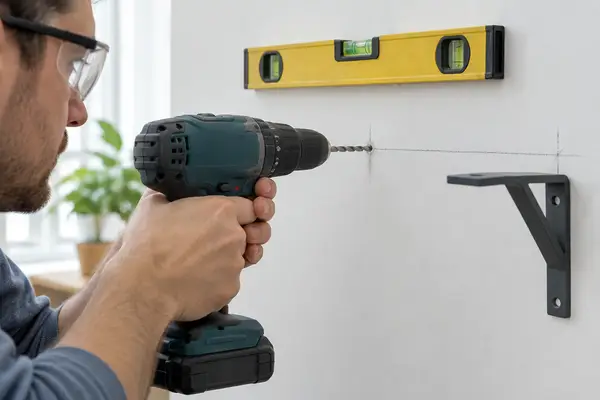
How to use a drill, hammer drill, jigsaw and level
Clutch settings, drilling into drywall, brick and tile, straight jigsaw cuts and reading a level.
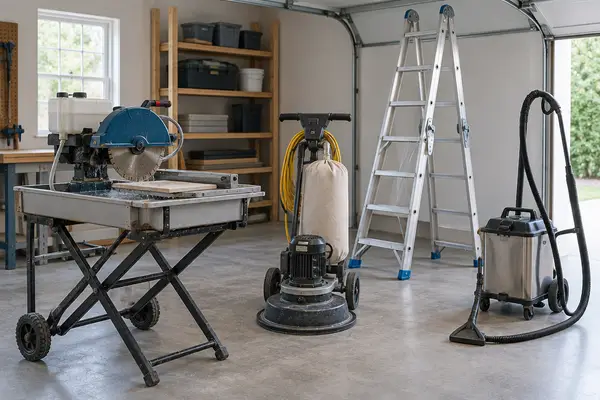
Buy or rent? Which tools to own
A simple rule of thumb, plus the heavy equipment you should almost always rent.